
How Often Does a Septic Tank Need Cleaning?
Tank size and household size drive the interval more than anything else. A smaller tank serving a full house fills faster and needs attention sooner than a large tank serving two people. Most Portsmouth properties fall into that 3 to 5 year window, but a garbage disposal, a hot tub, or frequent laundry loads can push a household toward the shorter end, a topic covered in more depth on our how often to pump a septic tank guide. If you cannot remember your last pump-out, that itself is a sign to schedule one through our request a quote form. Portsmouth Porta Pros handles septic pumping service across the city and can pull records if a previous company serviced the tank. For property managers juggling several addresses, pairing a pump-out with a broader septic tank cleaning visit catches buildup before it becomes a backup. Renovation projects add another wrinkle: a home undergoing work often needs a home renovation porta potty anyway while the septic system is offline for service, so scheduling both at once saves a trip.
What Are the Warning Signs a Septic Tank Needs Pumping?
Slow drains, gurgling pipes, and standing water near the drain field are the three signs that show up first. A sulfur smell inside or outside the house often means the tank is at capacity. Grass that grows unusually green and fast over the drain field is a subtler tell, since it points to nutrient-rich effluent surfacing closer to the roots than it should, and it is worth comparing against the full porta potty rental checklist if the property also hosts an event. Full details live on our septic tank warning signs page, but the short version is this: if two or more signs show up together, call before a full backup forces an emergency septic service call on a weekend. A grease interceptor follows a different rule than a home tank. Commercial kitchens in Portsmouth should pump when fats, oils, grease and solids reach 25 percent of the liquid depth, which is why grease trap pumping runs on its own schedule separate from residential septic work.
How Much Does Septic Tank Pumping Cost in Portsmouth?
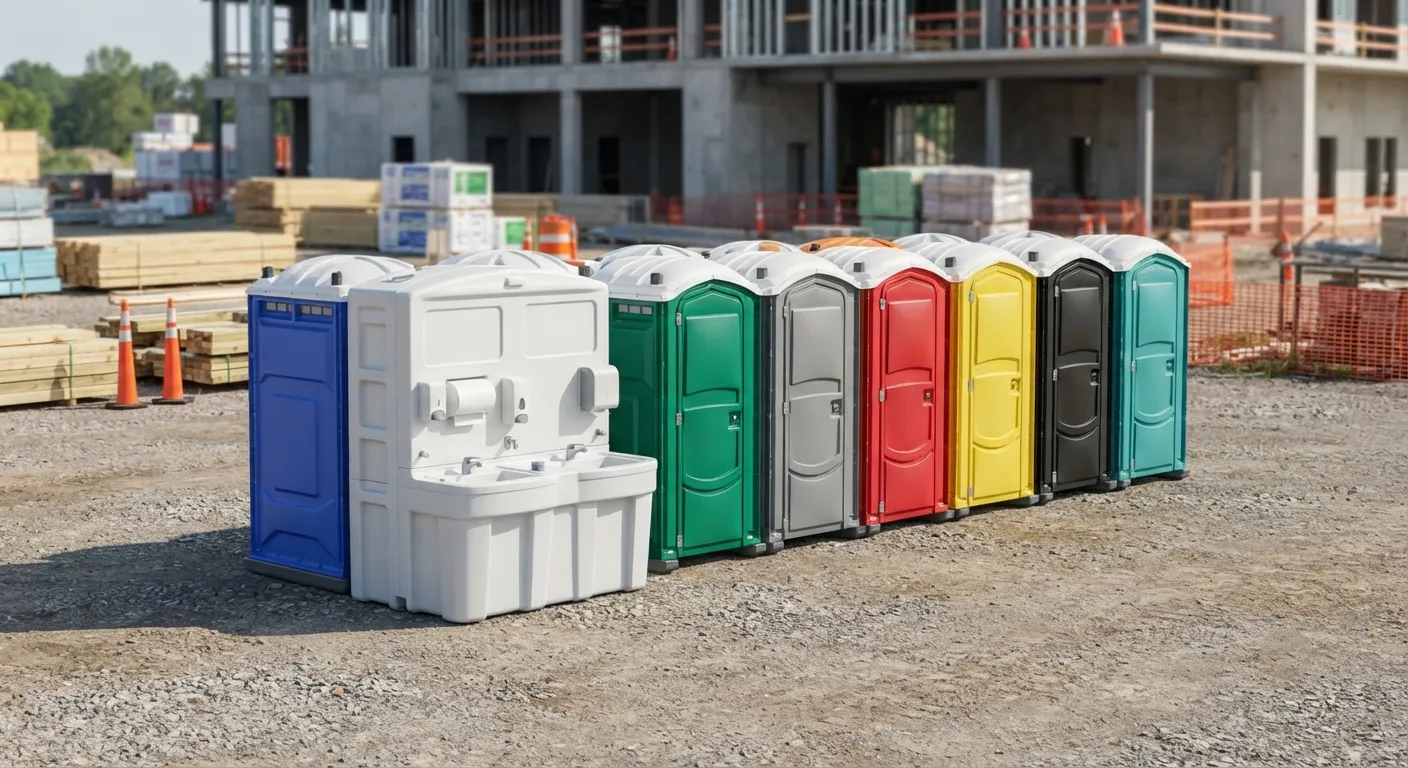
Pricing depends on tank access, tank size, and how urgent the job is, much like the variables covered on our septic tank pumping cost page and our general porta potty rental cost breakdown. Below is what a standard residential pump-out and a shorter emergency visit run.
| Service | Duration | Typical Price Range |
|---|---|---|
| Septic pumping | Day rate | $150 to $300 |
| Septic pumping | Weekend rate | $50 to $150 |
A day-rate visit covers a scheduled pump-out with normal access, similar in structure to a porta potty rental per day booking for site sanitation. Weekend pricing applies when the job comes in outside a standard workweek, which is common when a Portsmouth household notices a backup on a Friday night. Full cost breakdowns, including what changes the price up or down, are covered on our septic tank pumping cost page. If your property runs on a holding tank instead of a conventional septic system, that is a different setup entirely and priced differently. See holding tank rental for that option, often used on construction sites or properties without a permanent system, alongside gear like temporary fence rental or a storage container rental for the same job site.
Why Does Septic Tank Pumping Frequency Matter for Portsmouth Properties?
Skipping a pump-out does not just risk a backup inside the house. Solids that build up past the recommended interval get pushed into the drain field, where they can clog soil and force a full field replacement, a repair that costs far more than routine pumping, not unlike the cost gap explained on our monthly porta potty rental page for longer projects. Portsmouth's water table and soil conditions mean a neglected system fails at the drain field first, not the tank. For construction sites or events where a septic system is not an option at all, construction site services, portable restroom rental, and a restroom trailer rental cover sanitation without touching the buried system. OSHA 1926.51(c) sets toilet ratios for construction crews, a separate standard from residential septic care but relevant if a renovation crew is on-site while the tank gets pumped, and one worth reading alongside our OSHA portable toilet requirements guide or the how many porta potties do I need calculator. Homeowners near Chesapeake, about 20.5 miles south of Portsmouth, and Smithfield, roughly 20.7 miles northwest, often reach out when their regular service provider does not cover Portsmouth directly. We do, and our service areas page lists every town nearby, including Carrollton.
How do I know what size my septic tank is?
Check your property records or a previous inspection report first; tank size is usually listed there. If no record exists, a technician can measure during a scheduled pump-out. Most Portsmouth homes run 1,000 gallon tanks, but older properties sometimes have smaller tanks that need more frequent service.
Can I pump my septic tank myself?
No. Pumping requires a vacuum truck and proper waste disposal, which residential equipment cannot handle safely or legally. Attempting it yourself risks contaminating groundwater and damaging the tank. Portsmouth Porta Pros handles the full process, from locating the tank to hauling waste to an approved disposal site.
What happens if I never pump my septic tank?
Solids build up until they overflow into the drain field, clogging the soil that treats wastewater. That damage often means replacing the entire drain field, a repair that costs many times more than routine pumping. Backups inside the home usually follow once the tank reaches full capacity.
Does household size change how often I need pumping?
Yes. A larger household produces more wastewater and fills a tank faster than a smaller one. Two people in a home with a 1,000 gallon tank might stretch to 5 years between pump-outs, while a family of six might need service closer to every 3 years.
Is septic pumping different from a grease trap pump-out?
Yes. Residential septic tanks run on a 3 to 5 year schedule based on household size. Grease interceptors are pumped when fats, oils, grease and solids hit 25 percent of liquid depth, which can happen far more often depending on kitchen volume. See grease trap pumping for commercial schedules.
Next step
Get a delivery date
Tell us the address, the dates and the headcount. We size the order and confirm the route.